

Overcoming Fear of Flying: What to Expect from Our Courses
By Chris Meaden
Fear of flying can feel overwhelming and stop you travelling. This guide looks at fear of flying courses, with a focus on hypnotherapy as a practical option. You will read how these courses work, which techniques are used, and what to expect from the Meaden Method® with Chris Meaden in Kent and London. Understanding the steps involved helps you take the first practical move toward less fear and more control when you fly.
We cover how hypnotherapy and related techniques interact, what preparation helps, and signs that a course may be right for you. By the end you will have a clear sense of how treatment can make flying calmer and more manageable.
How does hypnotherapy work in fear of flying courses to reduce flight anxiety?
Hypnotherapy for fear of flying works by accessing the subconscious patterns that keep the fear active. In a relaxed state you can look at the memories and responses that trigger anxiety. The Meaden Method® combines hypnotherapy with Neuro-Linguistic Programming (NLP) and Havening Techniques® to change how your brain reacts to flying.
Many clients notice changes quickly. They report calmer feelings at the idea of flying and fewer intense reactions. That shift lowers anxiety and helps them approach travel with more confidence.
Short-Term Hypnotherapy for Aviophobia
Scrignar (1977) reports a case where short-term hypnotherapy reduced flight fear in fewer sessions than some behavioural approaches; the report discusses possible reasons for hypnotherapy’s effectiveness in treating aviophobia.
What role do Havening Techniques® and The Meaden Method® play in these courses?
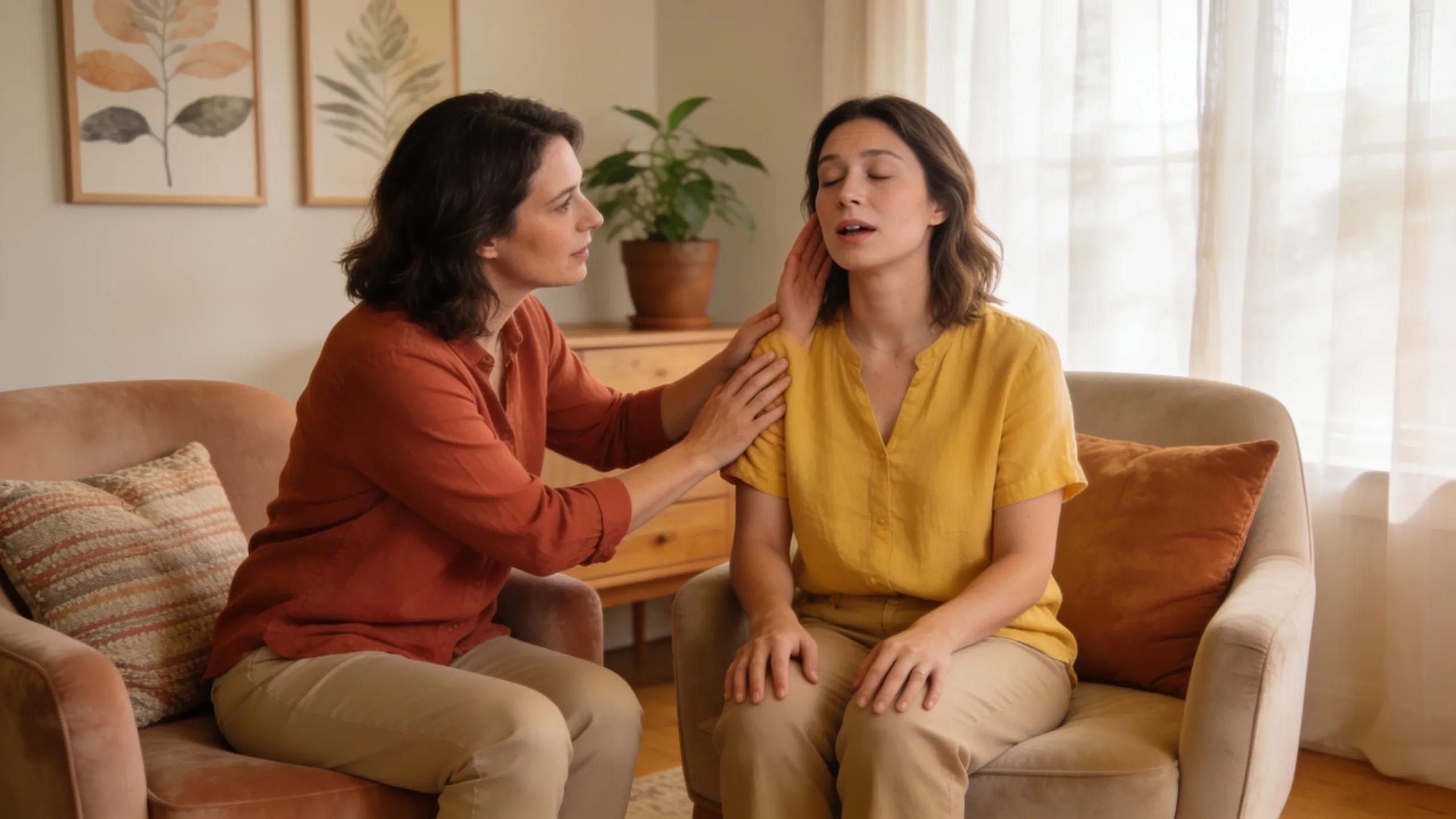
Havening Techniques® are a core part of the Meaden Method®. They give a simple, physical way to calm the nervous system while you revisit frightening memories. That safety allows emotional reactions to soften so the memory loses some of its power over you.
The method is tailored to each person. Sessions are shaped around your experiences and your responses. That focus increases the chance of lasting change for people who want to stop avoiding flying.
How do these therapies target panic attacks and flying phobia at their source?
These therapies aim at the triggers that start panic, not just the symptoms. Hypnotherapy and Havening work with the underlying learned responses held in the subconscious. That lets you change the automatic reactions that produce panic in flight-related situations.
When you practise the techniques inside therapy, the intense reactions you usually get can reduce. This targeted approach explains why rapid treatment can cut the frequency and intensity of panic attacks for many people.
Hypnosis for Aeroplane Phobia: A Case Study
A 2012 case study describes a client who engaged in a practice flight during treatment and responded well to group hypnotherapy; the dissertation reviews the use of hypnosis for airplane phobia with obsessive features.
What should you expect during a fear of flying course with Chris Meaden in Kent or London?
When you sign up with Chris Meaden, the process starts with an initial consultation. That session clarifies your goals and identifies your specific fears and triggers. You will share personal experiences so the therapist can match the work to what you need.
Later sessions build from that plan. You will learn techniques and practise them with guidance. The work aims to reduce reactive anxiety and give you tools to handle flying situations more calmly.
How long do courses last and what does each session involve?
Course length varies, but many run over several weeks with multiple sessions. A typical session lasts about an hour and follows a clear structure to cover assessment, technique work, and review.
Each appointment focuses on specific techniques and on strengthening coping skills. Many clients notice improvement after a few sessions and leave with a plan to manage future flights.
What preparation is required before attending the course?
Preparing means reflecting on what exactly triggers your fear and setting realistic aims for therapy. Try simple relaxation practice beforehand so you are ready to engage in sessions.
Arriving with examples of your fears and being willing to try the suggested exercises helps the work go faster and cleaner. Active participation matters.
Which symptoms and experiences indicate that a fear of flying course can help you?
Signs that a course could help include physical reactions like a racing heart, sweating, or tummy upset when you think about flying. Avoiding travel or refusing to discuss flights are common behavioural signs.
If you find yourself obsessing about upcoming flights or feeling overwhelmed by flight-related reminders, a course can teach practical ways to manage those symptoms and build resilience.
How to recognise flight phobia and panic symptoms in everyday situations?
Recognising flight phobia means spotting both emotional and physical signs. Emotionally you may feel dread or a sudden sense of panic at the idea of flying. Physically you might get short of breath, your heart may race, or your body tenses when travel comes up.
Avoiding conversations or making excuses to skip travel are clear behavioural clues. Knowing these patterns makes it easier to seek the right help, such as a fear of flying course.
Why rapid treatment matters for professionals who’ve struggled with flight anxiety?
For professionals, quick treatment matters because fear can block work travel and limit opportunities. Fast, effective therapy helps you meet job demands without ongoing anxiety getting in the way.
Getting prompt help gives practical coping tools you can use straight away. That support helps you keep working and travelling with less disruption.
How does the Meaden Method® compare with other flight anxiety therapies in the UK?
The Meaden Method® differs from some traditional approaches by combining hypnotherapy, Havening Techniques®, and a client-focused plan. Where CBT or exposure work often concentrates on behaviour, this method also targets the emotional roots that drive avoidance.
Personalised plans aim to fit the specific experiences each person brings. That tailoring offers a clearer route to lasting change for many clients.
What sets the Meaden Method® apart from CBT, exposure therapy, or mindfulness?
The Meaden Method® brings together several techniques chosen to meet emotional needs directly. Rather than relying only on gradual desensitisation, it works with unconscious responses to speed emotional processing.
Havening Techniques® add a physical, soothing element that creates safety during the work. That safety often allows deeper shifts than some other methods achieve.
Cognitive-Behavioral Hypnotherapy and Virtual Reality for Aviophobia
A 2019 case study describes brief cognitive-behavioural work enhanced by virtual reality exposure and hypnotherapy for people with fear of flying; the protocol combined several approaches to address aviophobia.
What success rates and client feedback support this therapy’s effectiveness?
Reported success rates for the Meaden Method® show many clients making substantial gains in flight-related anxiety. Feedback frequently mentions a calmer mindset and greater confidence when travelling.
These reported outcomes highlight the method as a practical option for people who want to reduce fear and improve their travel experience.
How can you book and prepare for a fear of flying consultation with Chris Meaden?
Booking a consultation is straightforward. Contact the practice via the website and share key details about your fears and past attempts to manage them. That information helps shape the initial plan.
Prepare by thinking about your main triggers and by setting clear goals for what you want from therapy. Initial consultations usually cost £15, providing an affordable way to start the work.
What steps should you take to secure a paid consultation in Kent or London?
To secure a paid consultation with Chris Meaden, potential clients should take the following steps:
- Reach Out: Contact the practice to indicate interest in booking a session.
- Provide Information: Share relevant details about previous experiences with flight anxiety and personal goals for therapy.
- Schedule a Session: Work with staff to find an appropriate appointment time in Kent or London that fits your schedule.
By following these steps, individuals can embark on their journey to overcoming flying phobia with the support of professional guidance.
What to expect in your initial assessment phone consultation?

In the initial phone consultation you will have a warm, focused conversation about your fears and history with flying. The call usually lasts 20 to 30 minutes and gathers the details the therapist needs to plan the work.
Topics include how you react to flying and what you tried before. By the end you should understand the likely course structure and how it will be adapted to your situation.
How quickly can panic attacks typically resolve with this therapy?
Clients often report a fast drop in panic frequency and intensity after the first sessions of the Meaden Method®. Many notice clear improvement within a few sessions, with distress easing over weeks rather than months.
The speed comes from addressing emotional triggers at their source rather than only treating symptoms. That focused work helps people make meaningful progress quickly.
Can this therapy help if previous treatments haven’t worked?
Yes. The Meaden Method® often helps people who did not find relief with CBT or exposure therapy. Its mix of hypnotherapy and Havening Techniques® gives a different route for emotional processing.
Clients who tried other approaches and saw limited change frequently report renewed hope when the method is tailored to their specific emotional patterns.
Frequently Asked Questions
What type of qualifications should a hypnotherapist have for treating flight anxiety?
When seeking a hypnotherapist for flight anxiety, look for recognised qualifications and relevant experience treating phobias. Membership of professional hypnotherapy bodies and client testimonials indicate adherence to standards and ongoing training.
Is hypnotherapy for fear of flying suitable for children?
Hypnotherapy can suit children, but the practitioner should have experience working with young people. Techniques are adapted to a child’s age and maturity, often using gentler language and play. Family support during the process helps the child feel safe and open to the work.
Are there any risks or side effects associated with hypnotherapy?
Hypnotherapy is generally safe when delivered by a qualified practitioner. Some people may feel temporary emotional discomfort when they face difficult memories during sessions. Discuss any worries with the therapist beforehand and use self-care after sessions to help process emotions.
Can hypnotherapy help with other anxiety-related issues outside of flying?
Yes. Hypnotherapy is used for a range of anxiety problems, including generalised anxiety, social anxiety, and specific phobias. The techniques aim to access subconscious responses and build coping strategies. Talk with the therapist about your particular concerns to confirm suitability.
How does the cost of hypnotherapy for fear of flying compare to traditional therapy?
Costs vary by practitioner, location, and session plan. Initial consultations may start at £15, while comprehensive packages cost more. Because hypnotherapy can lead to quicker change for some people, it may require fewer sessions overall compared with some traditional therapies. Weigh the likely investment against the expected benefits when deciding.
What can clients do at home to complement their hypnotherapy sessions?
At home, clients can keep a journal of thoughts and feelings about flying to spot patterns. Practising simple relaxation techniques, such as paced breathing, supports therapy. Talking progress with trusted friends or family and following suggested exercises strengthens results between sessions.
Conclusion
Choosing hypnotherapy to tackle flight anxiety can reduce panic and increase confidence when you travel. The work gives clear tools to manage fear and helps you approach flying with steadier nerves. If you want to try a tailored course, explore how the Meaden Method® can turn your fear into manageable steps toward freedom and control.