
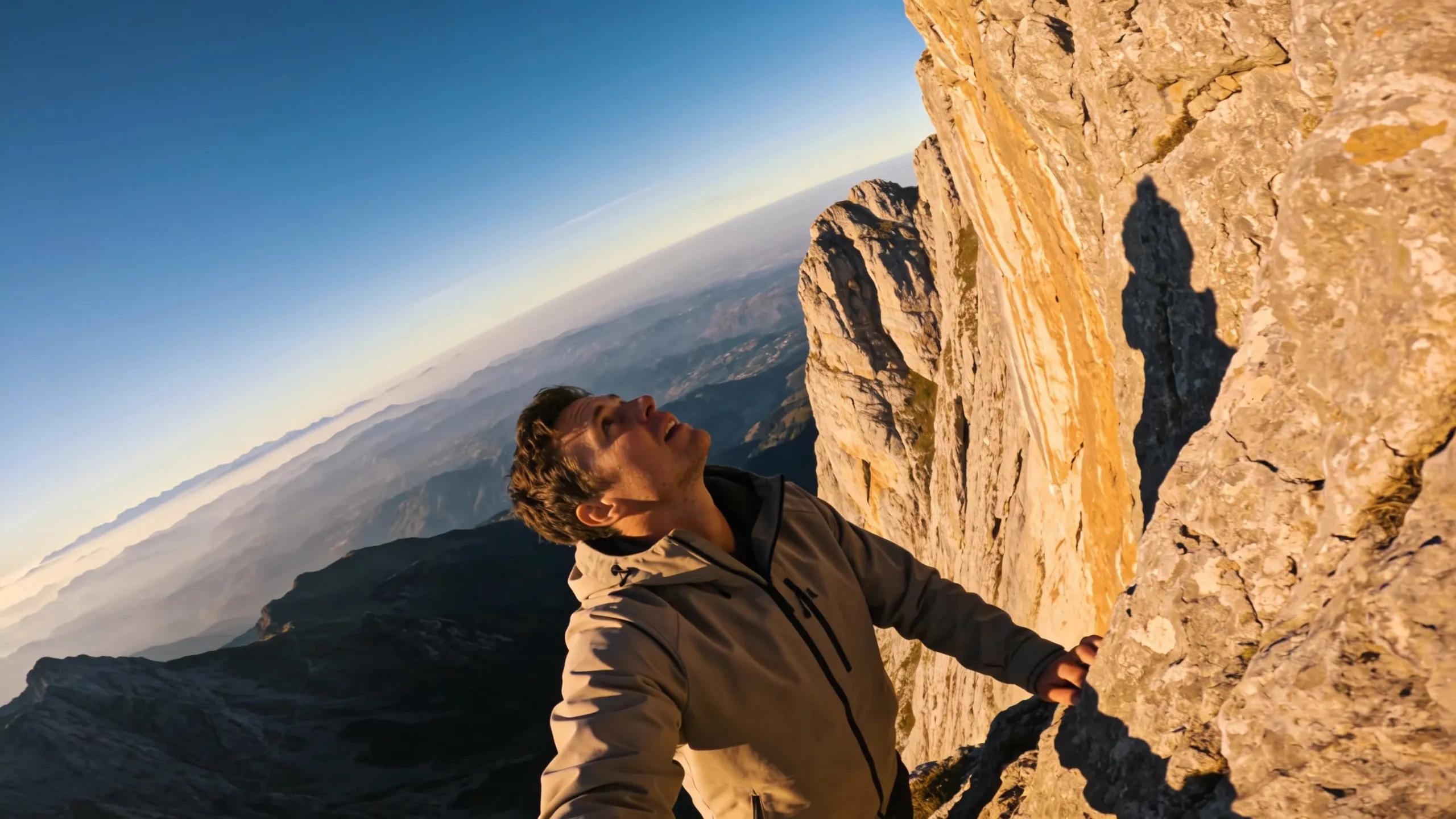
Understanding Acrophobia: Causes and Effective Ways to Recover
By Chris Meaden, Chris Meaden
Fear of heights, or acrophobia, is common and it can cut across daily life. It can spark sudden panic and make social or work situations hard. Knowing what keeps the fear alive and which treatments actually help gives you practical control. This piece explains the psychological roots and offers clear, actionable steps—from standard therapies to the Meaden Method.
Causes of Acrophobia:
Acrophobia usually grows from a mix of experience and sensitivity. A fall or frightening moment at height can teach the brain to expect danger. Some people are naturally more prone to anxiety or to fearing unfamiliar situations. Physical sensations at height—dizziness or a racing heart—feed the fear and create a tightening loop that deepens the phobia.
Effective Strategies for Overcoming Acrophobia:

Beating acrophobia takes practical steps plus a clear plan. The approaches below work together to reduce panic and rebuild confidence.
- Cognitive Behavioral Therapy (CBT): This common technique helps individuals reframe negative thoughts associated with heights, allowing for a gradual desensitization to the fear.
- Exposure Therapy: This strategy involves gradually exposing the person to heights in a controlled environment to diminish the anxiety response over time.
- Mindfulness and Relaxation Techniques: Engaging in mindfulness practices can help individuals focus on the present, reducing the panic experienced when faced with heights.
Used together, these methods build resilience and put you back in control of situations involving heights.
How Does The Meaden Method® Treat Fear of Heights Rapidly?
The Meaden Method aims to reduce acrophobia quickly. It targets the emotional responses that keep the fear active. Sessions identify and dissolve the core beliefs that drive the panic. The approach combines elements from techniques such as neuro-linguistic programming and hypnotherapy to create a focused pathway forward.
What are Havening Techniques® and how do they resolve panic at its source?
Havening Techniques are part of the Meaden Method and work through gentle sensory input. Simple touch or other calming sensations help the brain lower the emotional intensity tied to panic. That process can free up the nervous system and ease the hold that past anxiety or trauma has on your fear of heights.
Treatment Options for Rapid Improvement:
Treatments work in different ways for different people. The Meaden Method personalises the work to your specific triggers and aims for faster change than many traditional therapies. The table below highlights key differences so you can compare options.
Knowing what each approach does helps you pick the right path for your situation.
How many sessions does it take to overcome fear of heights with this method?
Many clients notice improvement after just a few Meaden Method sessions. Most people need three to five sessions to fully address the fear. The work focuses on releasing strong emotions and shifting the thoughts that keep the panic happening.
What Is Fear of Heights and How Does It Affect You?
Fear of heights can be mild or it can be overwhelming. It stops people from climbing stairs, looking over balconies, or using lifts. It can affect friendships, social plans and job options—especially roles that involve travel or working at height. Left unchecked, avoidance grows and the fear becomes more entrenched.
Which symptoms signal acrophobia in everyday situations?
Key signs of acrophobia include:
- Physical Reactions: Individuals may experience symptoms such as sweating, rapid heartbeat, and dizziness when faced with heights.
- Avoidance Behavior: Many people develop coping strategies, such as avoiding situations that involve elevation completely.
- Emotional Distress: Feelings of panic or dread are prevalent when confronted with heights, which can lead to further anxiety in everyday situations.
These signs show how much the fear can limit daily life and why getting help matters.
Why does fear of heights trigger panic and anxiety responses?
Panic around heights usually runs on a feedback loop. A single bad experience links heights with danger in the brain. Next time you face a height, that link triggers panic as a protective response. The panic then reinforces the belief that heights are dangerous, making future encounters harder.
What Causes Fear of Heights? Psychological and Environmental Triggers
Several factors feed acrophobia. Some people have a natural tendency toward anxiety. A traumatic event at height, especially in childhood, can leave a lasting reaction. Children also pick up fears from parents or caregivers. Spotting these influences helps shape a focused treatment plan.
How Does Virtual Reality Support Fear of Heights Therapy?

Virtual reality works alongside exposure therapy by offering safe, controllable height scenarios. VR lets you face fear step by step while the therapist monitors your reactions and adjusts the scene. It’s a practical, modern tool for gradual desensitisation.
What Should You Expect During a Fear of Heights Therapy Consultation?
During a consultation you’ll go through a few clear steps:
- Initial Assessment: The therapist will assess the individual’s history with heights, symptoms experienced, and specific triggers.
- Discussion of Therapeutic Options: Various strategies, including the Meaden Method and Havening Techniques, will be discussed to find the right fit.
- Goal Setting: Clearly defining therapeutic goals will help measure progress throughout the treatment process.
Knowing this sequence calms expectations and helps you enter therapy with a clear sense of what comes next.
Frequently Asked Questions
Can children experience acrophobia, and what signs should parents look for?
Yes. Children can develop acrophobia from their environment or learned behaviour. Look for clinginess, refusal to climb playground equipment or take stairs, and physical reactions like crying or trembling near heights. Respond gently and consider professional advice if the fear limits their daily activities.
How can I support someone dealing with acrophobia?
Support starts with patience and listening. Let them describe their fear without judgment. Offer to join low-pressure activities and provide calm reassurance. Learn about acrophobia so your help is practical. When they’re ready, suggest proven therapies like cognitive behavioural therapy or the Meaden Method.
Is medication helpful in treating acrophobia?
Medication can help when anxiety is severe and immediate relief is needed. Doctors may prescribe SSRIs or short-term benzodiazepines to reduce symptoms. Medication is usually most helpful when combined with therapy that addresses the root of the fear. Speak with a healthcare professional to find the right plan for you.
What role does family history play in the development of acrophobia?
Family patterns can influence acrophobia. Children often adopt anxious behaviours they see in caregivers. Growing up around adults who avoid heights can reinforce fear. Recognising these patterns is useful when planning treatment that considers family influences.
Can lifestyle changes help in overcoming acrophobia?
Yes. Regular exercise reduces baseline anxiety and builds confidence. Mindfulness, breathing work or yoga trains a calmer response to stress. Sharing progress with supportive people also makes it easier to face feared situations.
How does virtual reality therapy differ from traditional exposure therapy?
Virtual reality uses technology to recreate fear-inducing settings safely and precisely. It lets you confront heights in controlled, adjustable steps. That control often speeds desensitisation compared with real-world exposure and gives therapists immediate feedback to guide the work.
Understanding Acrophobia: Causes and Effective Ways to Recover
Treating acrophobia reduces distress and restores access to activities you avoid. Methods such as the Meaden Method and exposure work can rebuild your confidence with heights. Take the step to seek help and choose a treatment that matches your experience. Learn more about our tailored programmes.