
Havening Techniques for Effective PTSD Recovery Explained

By Chris Meaden
Havening techniques are a psychosensory approach to trauma therapy that aim to ease the lasting emotional and psychological effects of traumatic events. This method uses specific sensory inputs to change how traumatic memories are stored and experienced, helping people with post‑traumatic stress disorder (PTSD) reduce the emotional intensity tied to those memories. In the sections that follow, you’ll find an overview of how Havening works, its origins, evidence of its effectiveness, which symptoms it addresses, safety considerations, and how it can be combined with wider treatment plans. You’ll also read practical information about consultations with Chris Meaden, who specialises in these therapies.
What are Havening Techniques and how do they work for PTSD recovery?
Havening is a psychosensory therapy that uses touch and other sensory inputs to promote calming brain activity and support emotional processing. The technique encourages brain states associated with delta activity, which are important for integrating and resolving emotional responses. By reprocessing traumatic memories in this calmer state, people often find the emotional charge around those memories decreases, making symptoms like anxiety and hyperarousal easier to manage.
How does Havening target trauma symptoms at their source?
Havening works at the level of the neural circuits that link a memory to its emotional response. Through a process known as depotentiation, the therapy helps weaken the learned association between a memory and its intense emotional reaction. Gentle, structured sensory input creates a safe context for that change to happen. Many clients notice relief from distressing reactions more quickly than they might with some traditional therapies, because the method directly alters how the brain encodes emotional responses.
In short, Havening offers a different route into healing by changing how the brain holds traumatic memories.
Mechanisms of Havening Techniques in Trauma Response
Havening can change automatic reactions triggered by reminders of trauma. The process is commonly described in three phases and aims to reduce the emotional power of past events so they no longer dominate the present. (Adapted from When the Past Is Always Present: Emotional Traumatization—Causes and Cures, 2011)
Who developed Havening and what makes it unique?
Havening was developed by Dr Ronald Ruden, a psychiatrist with a background in trauma treatment. Its distinctive element is the deliberate pairing of cognitive work with controlled sensory input, rather than relying solely on verbal or cognitive techniques. By addressing the emotional component of trauma through touch and sensory regulation, Havening offers a more integrative pathway to recovery that many find complements traditional approaches.
What PTSD symptoms can Havening Techniques effectively address?

Havening can help reduce a range of PTSD-related symptoms. Common improvements reported include:
- Panic attacks: Sessions often reduce how frequently and intensely panic episodes occur.
- Anxiety and stress: Many clients experience lower baseline anxiety and improved day‑to‑day functioning.
- Intrusive memories: The recurrence and emotional impact of intrusive thoughts and flashbacks frequently lessen after treatment.
These changes speak to Havening’s effectiveness in easing the emotional aftermath of trauma.
Which common trauma symptoms respond fastest to Havening?
Symptoms tied to heightened emotional arousal often respond quickest. Clients commonly notice faster improvements in panic, acute anxiety, and stress reactivity—sometimes after a single session. While results vary, reductions in intensity and frequency of these reactions are among the earliest changes people report, often within 24–48 hours.
How soon do clients typically see symptom relief after sessions?
Relief timelines depend on the individual and the nature of the trauma, but many clients report meaningful symptom reduction after just a few sessions. Factors affecting progress include the complexity of the trauma, the client’s current supports, and active engagement in the process. Nonetheless, one of Havening’s strengths is its potential for relatively rapid symptom relief compared with some longer‑term therapies.
Understanding the Safety and Science of Havening Techniques
Havening is generally regarded as safe, with no known serious adverse effects reported in clinical use. Research indicates it can be a well‑tolerated option for a variety of clients, including those with complex trauma histories. Because it is non‑pharmacological, Havening avoids medication‑related risks and can be an appropriate choice for people seeking trauma‑informed, hands‑on therapeutic methods.
What clinical studies support Havening’s effectiveness and safety?
Clinical investigations into Havening report favourable outcomes for symptom reduction and improved emotional regulation among people with PTSD. Many studies and follow‑ups indicate sustained benefits, with clients maintaining gains over time and showing improved resilience. As with all therapies, ongoing research continues to refine our understanding of where Havening is most effective and how best to integrate it into care plans.
Are Havening Techniques suitable alongside other PTSD treatments?
Yes. Havening can complement other evidence‑based treatments—such as cognitive behavioural therapy (CBT) or eye movement desensitisation and reprocessing (EMDR)—by enhancing emotional processing and reducing immediate symptom severity. Many practitioners combine Havening with other modalities to create a tailored, multi‑layered treatment plan that addresses both cognitive and emotional aspects of trauma.
Understanding the Safety and Science of Havening Techniques
A consultation with Chris Meaden begins with a careful assessment of your trauma history and current symptoms, designed to establish safety and clarity about goals. Sessions typically last around 60 minutes and introduce a selection of Havening techniques you can experience and practise under guidance. The focus is on creating a supportive space where you can work through distressing memories with structure and care. For further details, visit chrismeaden.com.
How to prepare for your first trauma recovery session?
To get the most from your first Havening session, consider these simple steps:
- Booking procedure: Arrange an appointment by phone or email and briefly outline what you’d like to work on.
- Mental preparation: Spend some time reflecting on the specific feelings or memories you want to address so you can describe them clearly in session.
- Post‑session care: Plan gentle self‑care afterwards, as processing memories can bring up emotions that benefit from rest and support.
These actions help create a smoother, more productive therapeutic experience.
What follow-up care and support does The Meaden Method provide?
The Meaden Method places importance on ongoing support after an initial consultation. Follow‑up sessions are offered to track progress, revisit goals, and address any continuing or new concerns. Regular communication is encouraged so you feel supported throughout the recovery process.
How does Havening compare to other trauma therapy techniques?
Havening differs from many traditional therapies by prioritising sensory input alongside cognitive work. Rather than focusing only on reframing thoughts, it uses tactile and sensory strategies to help the brain re‑encode traumatic memories. For many people, this leads to more rapid reductions in emotional intensity and complements cognitive approaches for deeper, integrated healing.
What makes Havening faster and different from generic therapies?
Havening’s speed comes from its direct engagement with the brain’s emotional encoding processes. Gentle, structured sensory stimulation paired with focused attention helps the nervous system move out of a high‑arousal state, allowing faster processing and release of distress. This direct route to emotional regulation can produce quicker, tangible shifts compared with some therapies that rely primarily on extended cognitive work.
Which trauma disorders beyond PTSD can benefit from Havening?
Havening is applicable beyond PTSD and can support recovery for a range of trauma‑related difficulties, including:
- Generalised Anxiety Disorder: Noticeable reductions in chronic anxiety symptoms.
- Major Depressive Disorder: Improved emotional regulation that can ease depressive symptoms.
- Phobias: Reduced intensity of fear responses and related avoidance.
Its adaptability makes Havening a useful option across several trauma‑linked conditions.
Where can adults in Kent and London access Havening Techniques therapy?
Adults seeking Havening Techniques therapy can find services in Kent and London. Consultations with Chris Meaden are available at:
Address: 42 High Street, Tunbridge Wells, Kent, TN1 1XFPhone: 01892 800520
Accessing this form of therapy can be a practical step toward meaningful emotional recovery.
How to book a consultation with Chris Meaden in Tunbridge Wells?
Booking a consultation is straightforward. You can:
- Phone: Call (01892) 800520 to discuss appointment options.
- Email: Contact [email protected] for enquiries and bookings.
- Website: Visit Chris Meaden’s site for service details and to book online via this booking link.
The process is designed to make starting therapy as easy and reassuring as possible.
What client feedback shows about therapy outcomes with The Meaden Method?
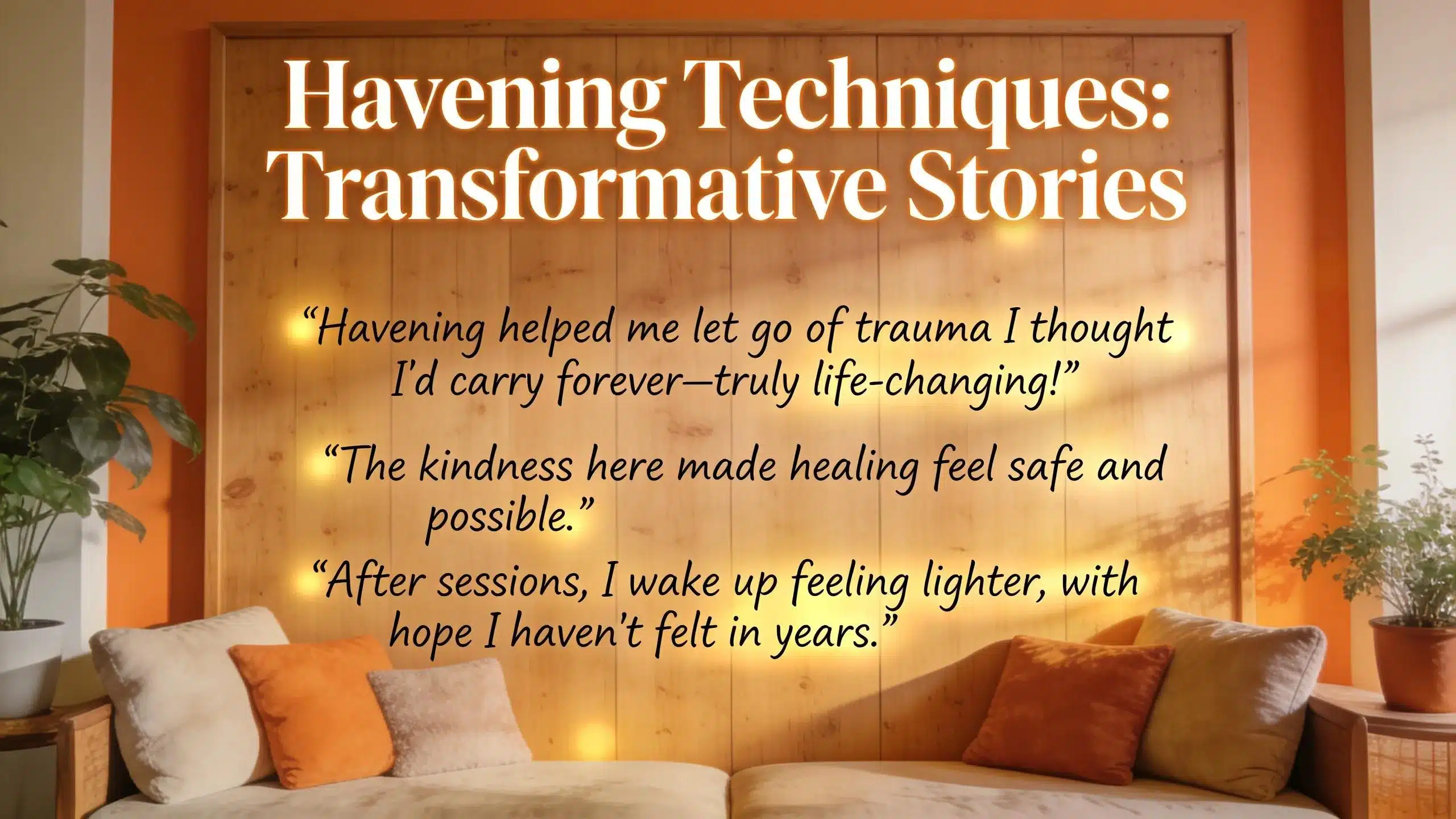
Client feedback for The Meaden Method and Havening consistently highlights meaningful improvements in emotional well‑being, clearer thinking, and greater control over intrusive thoughts and feelings. People often comment on the compassionate, tailored support they receive and the practical changes they notice in daily life. For more client experiences, see the client reviews page.