
Using Hypnotherapy to Overcome Your Fear of Flying
By Chris Meaden
If flying makes your heart race or you find yourself avoiding planes, you are not weak or alone. Many people feel intense distress around air travel. This piece gives clear, practical steps you can use, with a focus on hypnotherapy. You’ll get straightforward explanations of how the methods work, what results are realistic, and simple tools to calm yourself before and during a flight.
Research shows aviophobia often stems from factors beyond the flight itself, such as past experience or overlapping anxiety conditions.
Understanding Aviophobia: Definition and Associated Anxiety Disorders
Aviophobia, or the pathological fear of flying, is listed as a specific situational phobia in DSM-IV and as a specific phobia in ICD-10. The term grew from the anxiety pilots felt in wartime. People seeking help may have a clearly defined flying phobia or their flying fear may be part of another condition, like panic disorder with agoraphobia, post-traumatic stress disorder, or claustrophobia.Fear of flying (aviophobia): efficacy and methodological lessons learned from outcome trials, BK Wiederhold, 2014
Using Hypnotherapy to Overcome Your Fear of Flying
We use several hypnotherapy tools to change the subconscious fear response. Hypnosis brings calm and sharp focus so the underlying fear can be addressed. NLP shifts the way thoughts link to feelings about flying. Havening uses sensory touch to quiet the nervous system. Used together, these approaches aim to reduce the automatic fear reaction.
Hypnosis
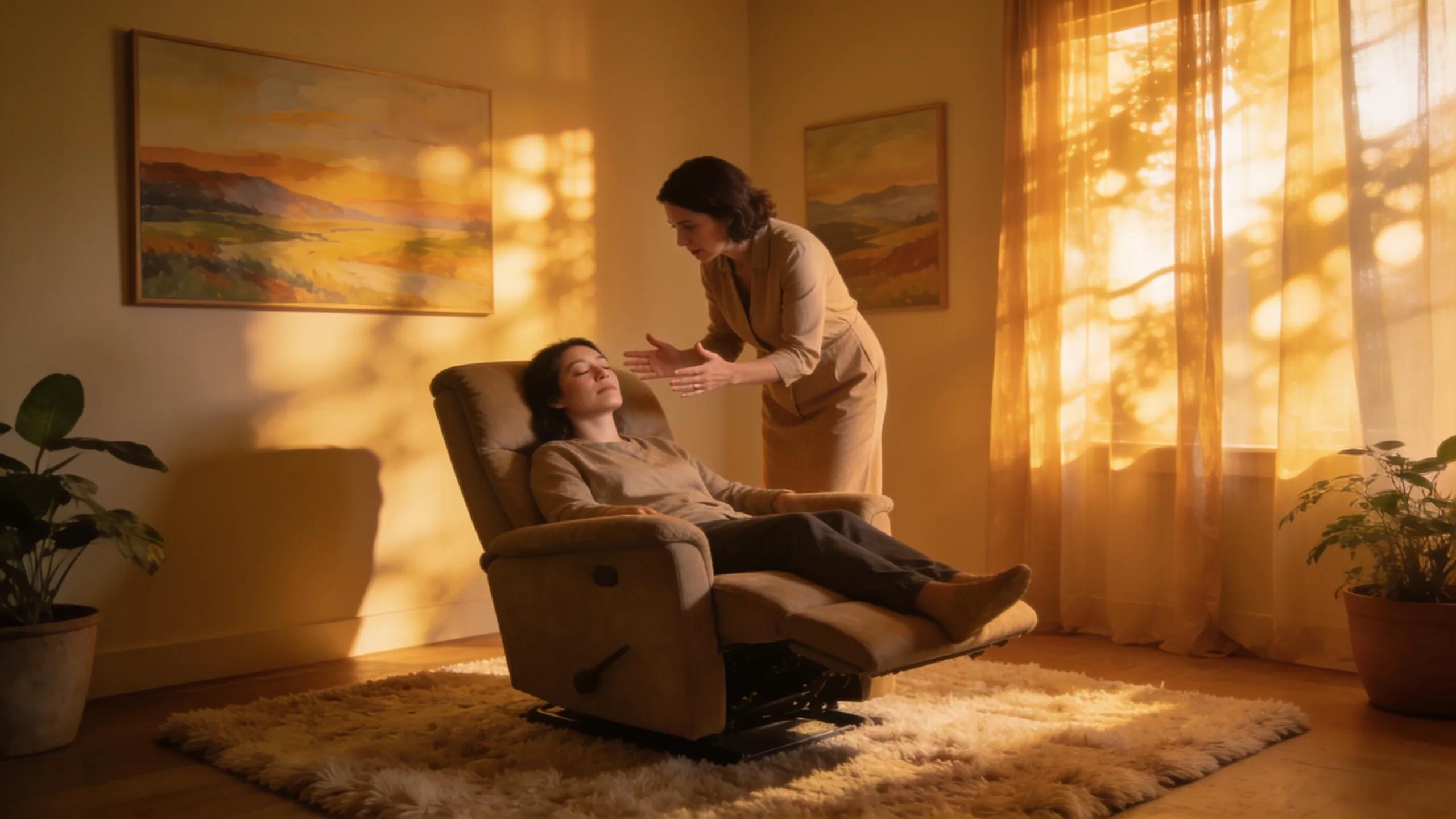
Hypnosis guides you into a relaxed, focused state. In that state we can target learned fear patterns and change the emotional response to flying. That work often leads to lasting reductions in anxiety.
Neuro-Linguistic Programming (NLP)
NLP maps how language, behaviour, and thinking interact. We use it to reframe unhelpful thoughts about flying and to build a stronger sense of control.
Havening Techniques
Havening uses gentle, rhythmic touch to calm the nervous system and ease overwhelming emotion. You can use it in sessions and practice adapted versions on your own to create a safer internal space before a flight.
Effectiveness
Hypnotherapy can be effective because it goes straight to the subconscious patterns that feed fear. Many clients notice lower anxiety after one to three sessions. Each programme is tailored to the person’s history and specific triggers.
Clinical studies report positive responses to hypnotic treatments, particularly for people without long histories of psychological therapy.
Responsivity i Rhybuddio a Chanlyniadau Trin Ofn Hedfan
Predictors of treatment outcome and self-reported responses. Those without prior long-term psychological therapy reported favourable response.Hypnotic responsivity and the treatment of flying phobia, 1981
Client Feedback on Hypnotherapy Effectiveness
Clients often report fast, practical results from tailored hypnotherapy. They say they feel more in control and that panic responses ease, which makes flying feel more manageable.
Comparing Hypnotherapy with Other Methods
The table compares common approaches. For many people, hypnotherapy delivers faster relief from flying anxiety.
Potential Outcomes
Hypnotherapy often changes how people think and act around flying. Typical improvements include the items listed below, which together reduce distress and improve confidence.
- Reduced Anxiety During Flights: Many individuals notice a significant drop in anxiety levels before and during flying after treatment.
- Enhanced Coping Mechanisms: Therapies teach clients practical coping techniques to manage stress and anxiety during flights.
- Increased Flying Confidence: As anxiety diminishes, clients often report feeling more empowered and confident when flying.
Long-term Benefits of Hypnotherapy
Over time, hypnotherapy can make other anxiety situations easier to manage. By shifting subconscious fear responses, you build tools and resilience that help beyond flying.
What Causes Fear of Flying and How Does It Affect You?
Fear of flying can come from past trauma, physical panic reactions, or learned associations that link flying with danger. Knowing these causes helps you target them in therapy.
- Past Traumatic Experiences: Often, fear can be rooted in a prior negative experience related to flying, influencing current perceptions.
- Physiological Responses: Panic attacks or extreme anxiety can be a physiological response to the perceived danger of flying, leading to avoidance behavior.
- Psychological Conditioning: Individuals may unconsciously associate flying with danger, further solidifying their fear due to conditioned responses.
Managing the Psychological Aspect of Fear
Your brain keeps the fear alive by linking specific cues to danger. Identifying those triggers and learning how your body responds gives you control to change the pattern.
How your brain’s response sustains flying fear
Stress tied to flying trains the brain to expect threat. Each avoided flight can strengthen that pattern. Reframing the experience and practising new responses breaks the cycle.
The Role of Panic Responses
Panic responses amplify physical symptoms and make flying feel impossible. Therapy focuses on interrupting that loop so you can regain control over your emotions.
How The Meaden Method Addresses Fear of Flying
The Meaden Method combines tailored hypnotherapy with NLP and Havening. We target the specific fears that keep you stuck and work at a pace that aims for noticeable reduction in anxiety.
Personalized Treatment Session Structure
Sessions are built around your history and current reactions. We adjust techniques so the work addresses the fears you actually experience.
Why hypnotherapy can resolve panic in 1–3 sessions
Hypnotherapy can create quick change because it targets subconscious patterns that drive panic. Many people see large drops in panic within one to three sessions when the work is focused and tailored.
Supporting Evidence for Rapid Hypnotherapy Results
Client accounts often describe fast, meaningful shifts after a small number of sessions. That early progress gives people practical confidence for future flights.
Practical Techniques to Calm Flying Nerves Before and During Flights
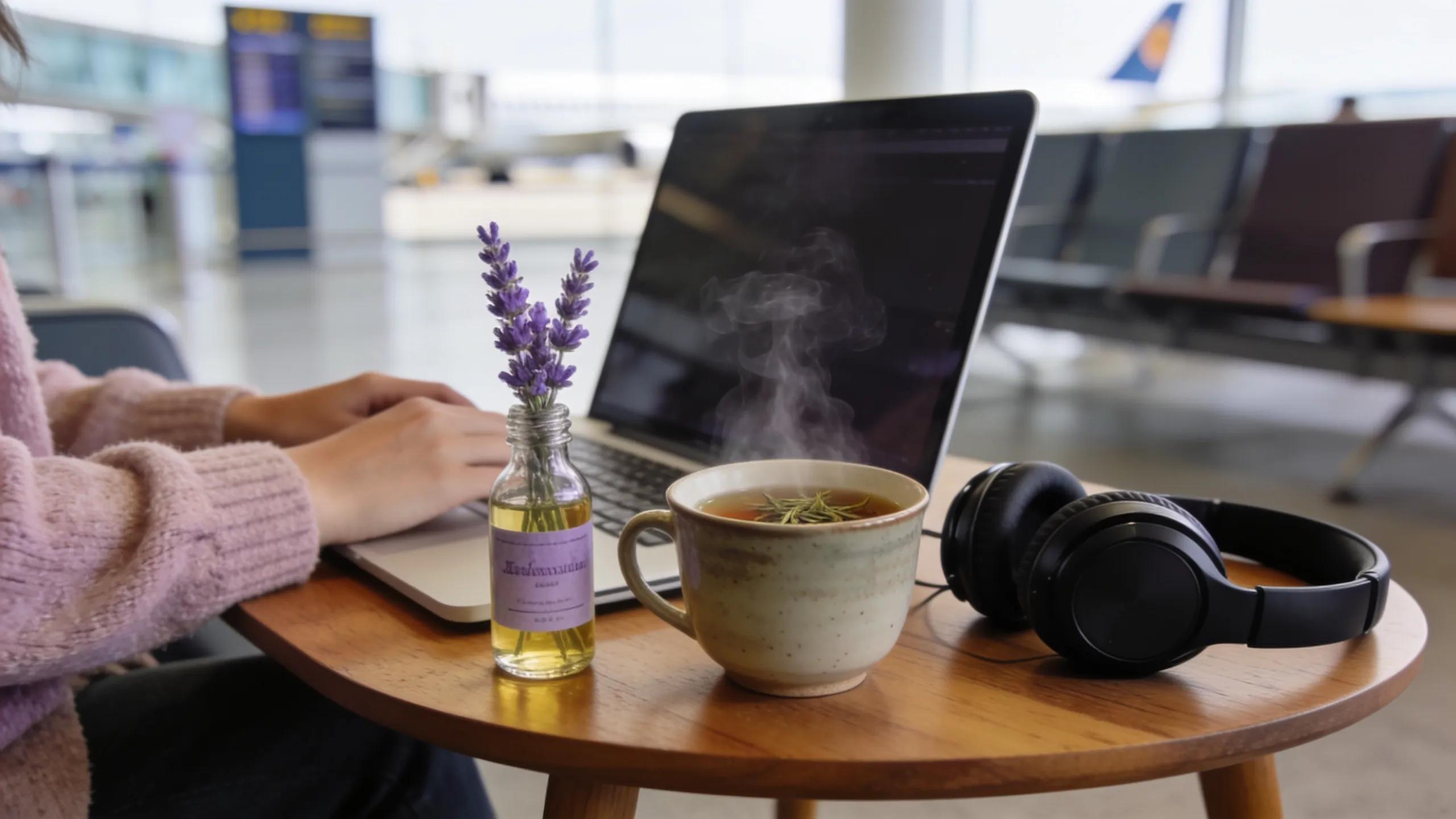
Alongside therapy, simple, repeatable techniques help calm you before and during flights. Use these in combination with the skills you learn in sessions.
- Preparation Techniques: Familiarizing oneself with flight procedures and aircraft safety can alleviate uncertainty.
- Relaxation Exercises: Techniques such as deep breathing or visualization can reduce anxiety leading up to the flight.
- Distraction Methods: Engaging in activities during the flight, such as reading or watching a film, can divert attention from anxiety triggers.
Additional Pre-flight Tips
Before you fly, prepare both physically and emotionally. Pack a comforting item and plan small, enjoyable things to do in the air so you have positive focus points.
Preparing mentally and physically for anxiety-free flights
Preparing your mind and body makes a real difference. Set clear steps for how you will handle known triggers and build relaxation into your pre-flight routine.
- Understanding Personal Triggers: Journaling experiences and identifying specific fears can help in preparing for flights.
- Incorporating Relaxation Routines: Including relaxation exercises into pre-flight plans can systematically reduce anxiety levels.
- Comfort Items: Carrying favourite objects or tools—such as noise-cancelling headphones or scented oils—can provide emotional support.
Understanding the Impact of Preparation on Flying Experience
Regular practice makes the techniques stick. Over time you will find flying requires less effort and provokes less distress.
What to Expect from Your Hypnotherapy Consultation and Sessions
Expect a calm, assessment-focused consultation that maps your fears and outlines a practical plan. Sessions aim to create a safe space for steady progress.
- Assessment of Individual Needs: The initial consultation typically revolves around understanding the client’s fear and unique experiences.
- Utilization of Various Techniques: Therapists will often integrate multiple techniques to address the client’s needs, ensuring a personalized experience.
- Preparation for Identifying Triggers: Clients are encouraged to reflect on their specific triggers to guide the therapeutic process effectively.
Adapting to Therapeutic Techniques
We use different techniques as needed, always with the aim of helping you feel safe and in control throughout the process.
Typical session structure and personalised treatment approach
Sessions prioritise your comfort and pace, with a clear structure that supports effective communication and steady trust-building.
Focus on Client Needs
We centre the work on your fears and goals. That personal focus helps the therapy produce meaningful results.
Real Client Experiences Overcoming Fear of Flying with The Meaden Method
Clients using the Meaden Method report substantial drops in anxiety and renewed confidence when flying.
Case Studies Highlighting Transformation
People describe taking flights they previously avoided. These stories show how focused hypnotherapy can deliver lasting relief.
The Impact of Hypnotherapy on Anxiety Management
By addressing root fears and teaching practical tools, hypnotherapy helps you manage anxiety and travel with more confidence.
Frequently Asked Questions
1. Can I undergo hypnotherapy if I have a history of trauma?
Yes. If you have trauma, hypnotherapy can still help with specific fears like flying. Work should proceed at a safe pace and be adapted to protect you. Be open about your history so the therapist can tailor the sessions.
2. How does hypnotherapy differ from traditional therapy approaches?
Hypnotherapy works by engaging the subconscious through deep relaxation. Talk therapies focus more on conscious thoughts and behaviours. That direct access can speed up changes in emotional reactions and behaviour around flying.
3. Are there any side effects associated with hypnotherapy?
When delivered by a trained professional, hypnotherapy is generally safe. Some people feel briefly disoriented or have an emotional release after a session. These effects usually pass. Tell your therapist about any concerns so they can help you.
4. What can I do to prepare for my first hypnotherapy session?
Write down the situations that trigger your fear and any key memories. That helps your therapist plan. Come rested and be ready to try simple relaxation exercises during the session.
5. Can hypnotherapy help with other types of anxiety beyond flying?
Yes. Hypnotherapy can help with social anxiety, generalized anxiety, and performance anxiety. The skills you learn for flying often transfer to other stressful situations.
6. How can I maintain the benefits of hypnotherapy after treatment?
Keep using the relaxation tools you learned, like deep breathing or short grounding practices. Use them regularly and after stressful events. Consider occasional follow-ups and keep a short journal to track your progress.
7. Is hypnotherapy suitable for children struggling with fear of flying?
Yes. With a therapist experienced with children, hypnotherapy can work well. Techniques are adjusted to a child’s age and understanding. Talk openly about the child’s fears and make sure they feel comfortable with the process.
Conclusion
Hypnotherapy can help people regain confidence and travel with less anxiety. Combined with methods like NLP and Havening, it often brings clear shifts in how you respond to flying. If you feel ready to address your fear, speak with a qualified hypnotherapist to explore suitable options and take the next step toward calmer flights.